I was the one making decisions, risking my own money, managing people, margins, suppliers, clients, problems, growth, pressure and responsibility.
My path did not start with a perfect business plan.
It started much earlier, as a young man with a strong resistance to paths that had already been laid out for me.
Most people expected me to follow a more traditional route, close to my father’s career in medicine.
I chose a different direction.
I graduated in Psychology, then moved to London and started working behind a bar.

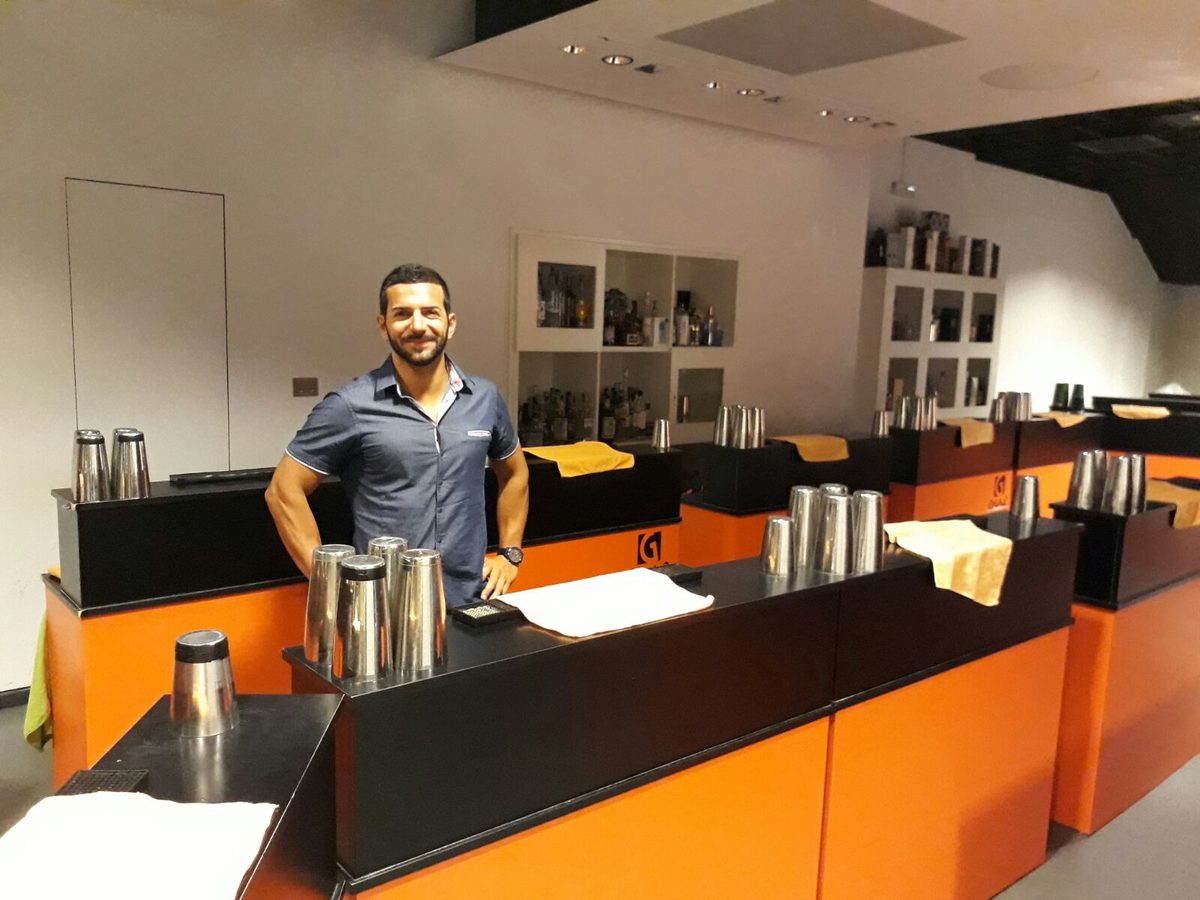
That experience became the beginning of my entrepreneurial path: first a cocktail bar, then a second one.
Then came a professional training school for bartenders that started in an 80-square-meter basement and, within a few years, became one of the leading training centers in Italy in its field.
With that single brand, we opened two locations that became among the largest of their kind in the world.
Within a few years, we captured over 50% of the Italian market and reached over $4 million in annual revenue.
And that does not include the other businesses developed during those same years.
That was my first entrepreneurial laboratory.
Made of cash flow, team members, clients, mistakes, late nights at the office, growth, problems to solve and decisions to make when no one else could make them for me.
I Built Businesses from the Inside
And that is where the way I work today comes from.
After the two cocktail bars and the school, I did not stop.
Over the years, I opened and developed other projects: a restaurant, an e-commerce business selling across Europe, a job-placement service for industry professionals, and a training and consulting center for entrepreneurs with a base in Switzerland.
Some of those projects grew significantly.
Others taught me lessons no course could ever have taught me.
All of them, in one way or another, shaped me as an entrepreneur.
Over the years, I also invested tens of thousands of dollars in my own education: marketing, sales, financial management, business strategy and private consulting.
But the real value did not come from reading another book, watching another course or downloading another PDF.
It came from applying those ideas inside my own businesses, with real money, real people, real customers and real consequences.
For years, I lived what many founders know very well.
The business was growing.
Revenue was increasing.
Responsibilities were getting bigger.
But together with growth came more weight, more complexity and the feeling that everything still depended too much on me.
Like many entrepreneurs, I reinvested almost everything to grow the business.
I put myself last: after the team, after suppliers, after the urgent problems, after the organization itself.
I believed that was the price to pay to build something meaningful.
In part, it was.
But it was not the whole truth.
At some point, I understood that building a business that works does not necessarily mean building a business that lets you live better.
You can have revenue, clients, results and recognition.
And still feel trapped inside the system you created.
Over the years, that realization changed the way I look at business.
Today, I do not believe a business should only be a machine that generates revenue.
I believe it should also be a vehicle for a better life.
But that kind of freedom does not happen by accident.
It does not come simply because revenue grows.
For an entrepreneur, freedom starts with improving margins.
Because without better margins, growth often turns into more pressure, more costs, more people to manage and more responsibility on the shoulders of the person leading the company.
When margins improve, part of that value can be reinvested into strengthening the organization: hiring the right people, clarifying roles, improving processes, building a stronger organizational structure and making the business less dependent on the founder’s constant presence.
That is real operational freedom.
Not disappearing from the business.
But building an organization that can keep functioning, growing and moving in the right direction even when the founder is not physically present every day.
That is the logic that allowed me to move permanently to Central America while still running a physical business across Rome, Milan, and Lugano (Switzerland).
Not because everything had become simple.
But because I had started building the organization in a way that no longer depended only on my daily presence.
Why “Surfpreneur”
It is not a lifestyle label. It is a different way of thinking about business.
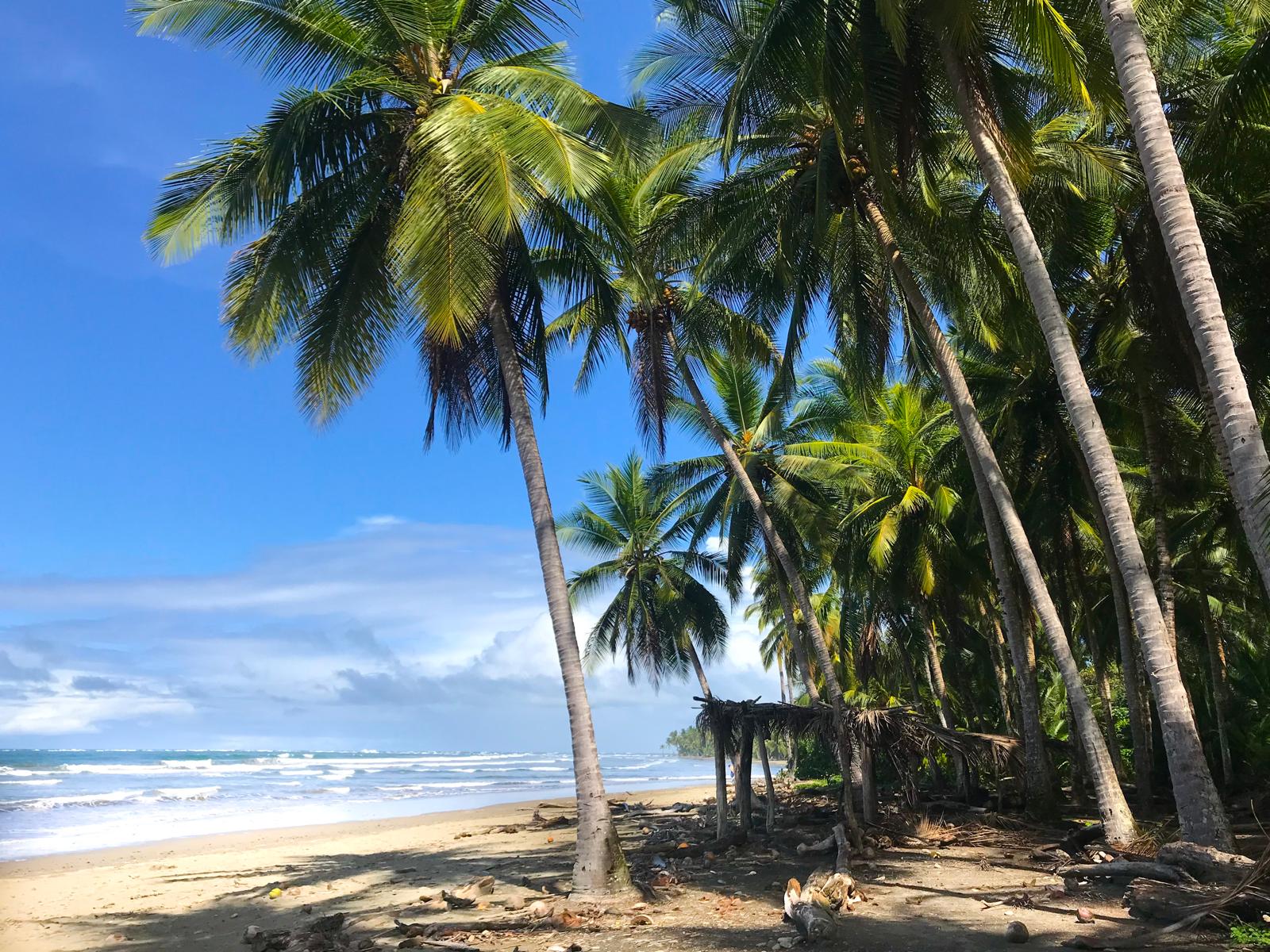
Today, I live in Costa Rica.
In the paradise I have been able to call home for several years, surrounded by jungle and just a few steps from the ocean, I built the family of my dreams.
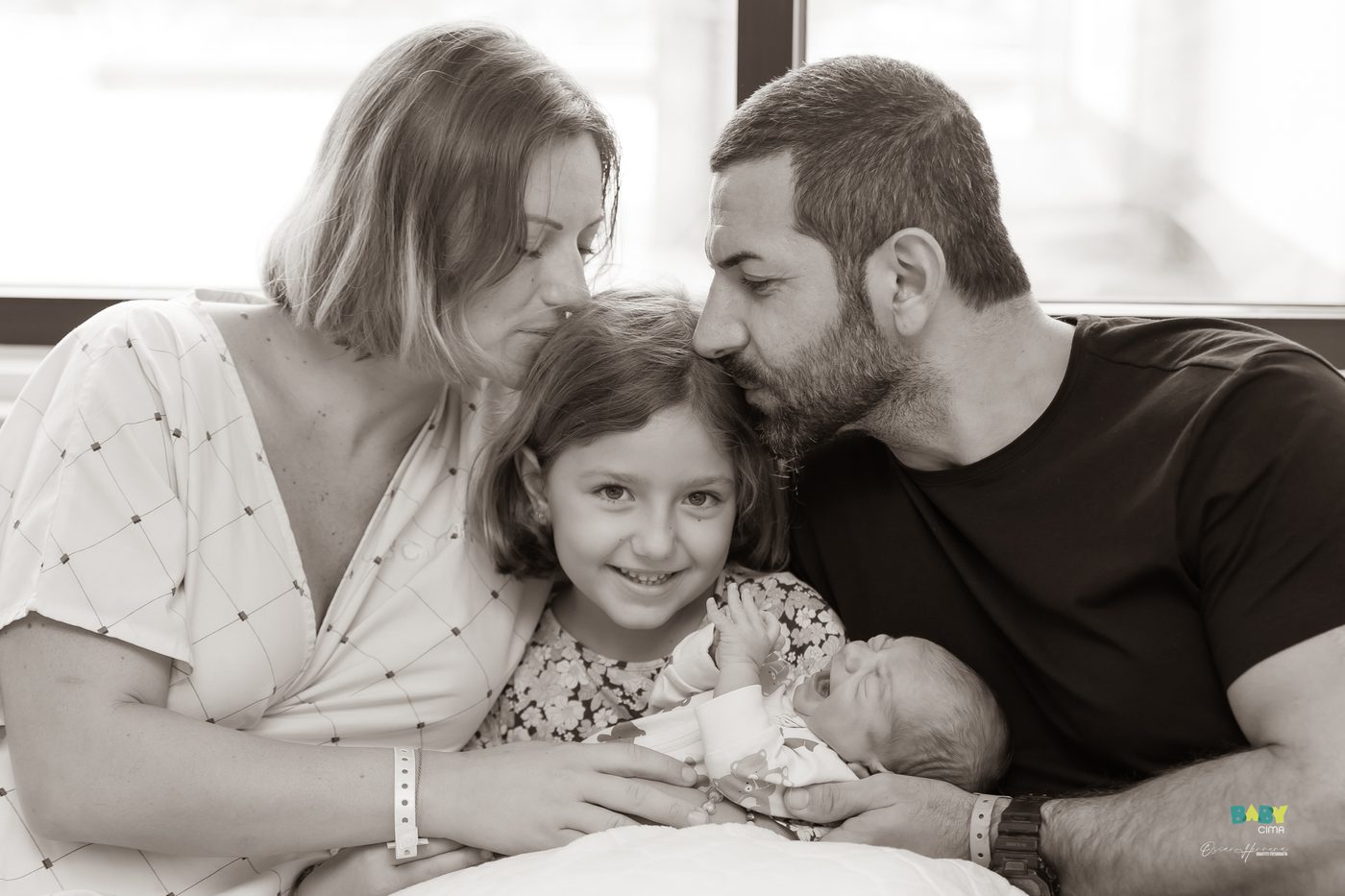
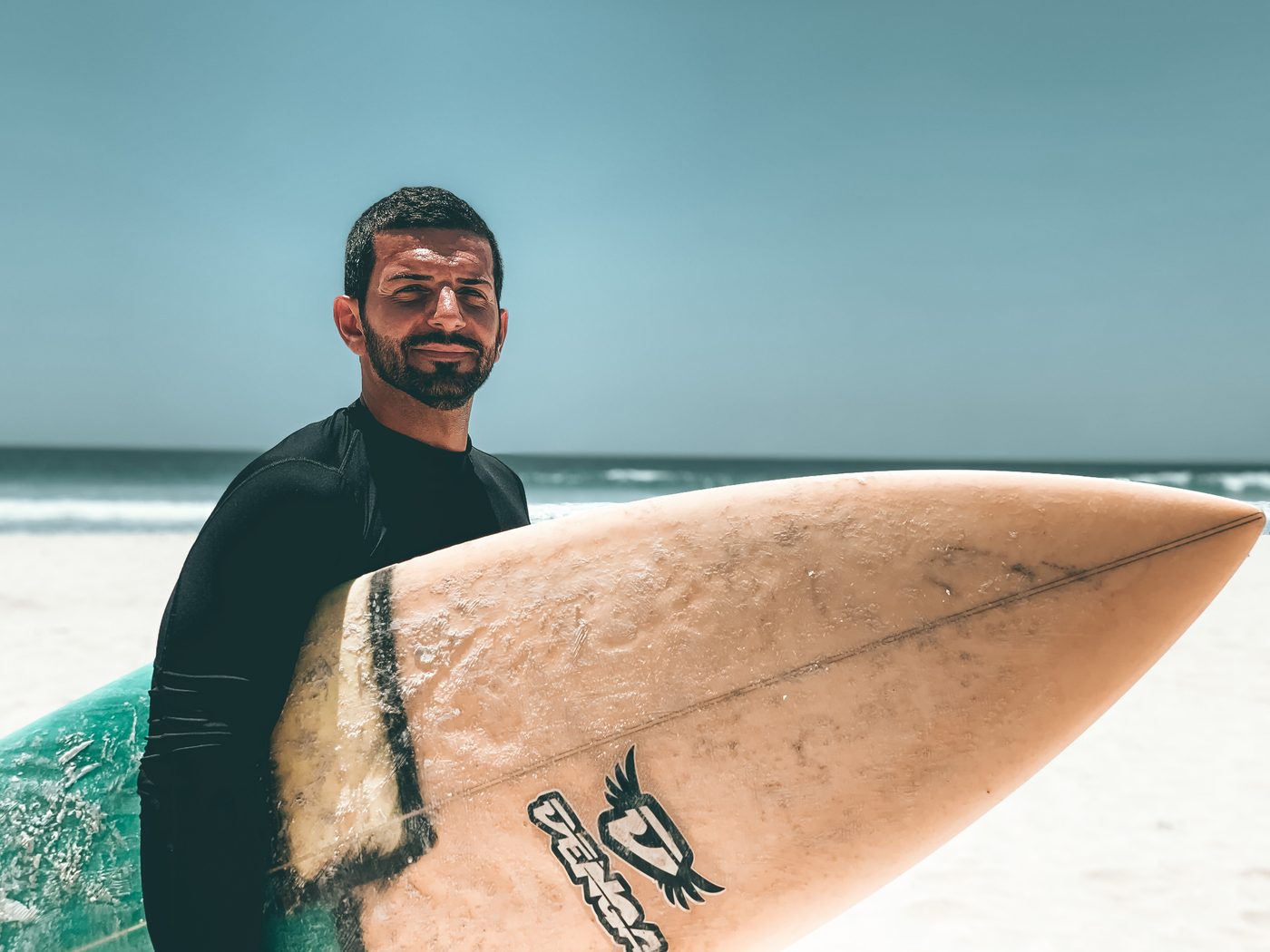
Most mornings, before sitting at my desk, I go surfing.
Not because the work disappeared.
Not because my ambition became smaller.
But because I learned that business should support the life you want to live, not consume it.
I call this approach Surfpreneur: an entrepreneur who wants to grow, but not at the cost of sacrificing all of their freedom along the way.

For me, surfing became the symbol of something bigger.
The ability to come back to the business with a clearer mind.
For someone else, it may be the mountains, family, sports, travel, a walk, a personal project or simply time to breathe.
The point is not surfing. The point is building a business that gives you the freedom to ride life, instead of staying trapped inside work.
And that is also why freedom, for me, is no longer just an entrepreneurial idea.
It has become the way I choose to build my work, my businesses and my life.
Why I Created Fractional Partner
Because I know what it means to carry the weight of a business on your shoulders.
Fractional Partner was born from all of this.
From my experience building businesses from zero.
From years spent growing revenue, margins, teams, processes and clients.
From mistakes made with my own money, reputation and freedom at stake.
From the realization that many entrepreneurs do not need another consultant who delivers a document and disappears.
They do not need an agency taking over one single function.
They do not need motivational coaching.
And often, they do not need a Fractional CEO stepping in to replace them.
They need someone who knows how to think with them.
Not instead of them.
That is where a Fractional Partner comes in.
A Fractional Partner does not take control of the business.
It does not replace the founder.
It does not come in to judge what has already been built.
It brings an experienced entrepreneurial perspective beside the person carrying the weight of the business, helping them get more from the company they have built — and create more room for the life they want to live beyond the office.
My Work Today
Helping entrepreneurs with established businesses see where value is being created, lost or left unused.
Today, I work with entrepreneurs who have already built something concrete.
Companies with clients, revenue, people, responsibilities, real problems and real data to analyze.
Through Fractional Partner, I help these founders read what they have built more clearly, identify the most important levers and turn better decisions into execution.
The work may touch strategy, offer, pricing, marketing, sales, CRM, margins, processes, team, delegation and operational structure.
But the point is not to add more activity.
The point is to understand which decision can unlock the most value right now.
This approach has already produced results across very different industries: retail, food, healthcare, hospitality, events, B2B services and marketing agencies.
But often, the underlying question is the same:
Where, inside this business, is value being created, lost or simply left unused?
You can see concrete examples on the case studies page:
View Case Studies
The Brand Compass
The framework I use to understand which lever should move first.
My personal story explains where Fractional Partner comes from.
The Brand Compass explains how this perspective is applied inside a real business.
It is the framework I developed to help entrepreneurs and founders see their numbers, stage and strategic priorities more clearly, identify the most sensible direction and choose which levers to activate to unlock growth, margins and operational freedom.
Before booking a Preliminary Call, you can watch this video to better understand how I think and the kind of work we may do together.
Want to understand whether Fractional Partner can help you unlock more value from your business?
Book a free 30-minute Preliminary Call.
We will discuss your current situation, the main constraints you are facing and whether there are the right conditions to start a project.
Need to clarify something before booking your Preliminary Call? Take a look at the FAQ or Contact Us